A healthy smile can make a meaningful difference in your daily life. However, missing teeth can affect much more than your appearance. They may change the way you eat, speak, and feel about your smile. If you are experiencing tooth loss, dentures may offer a practical way to restore both function and confidence.
Choosing the right dental solution can feel overwhelming, especially if you have never worn dentures before. You may wonder which type is best for you, how long it takes to get used to them, or how to keep them clean and comfortable.
This comprehensive dentures guide answers these questions and introduces the essentials of denture care, available tooth replacement options, partial dentures, and denture adhesives. By understanding the basics, you can approach your dental treatment with greater confidence.
Understanding Dentures and Their Purpose
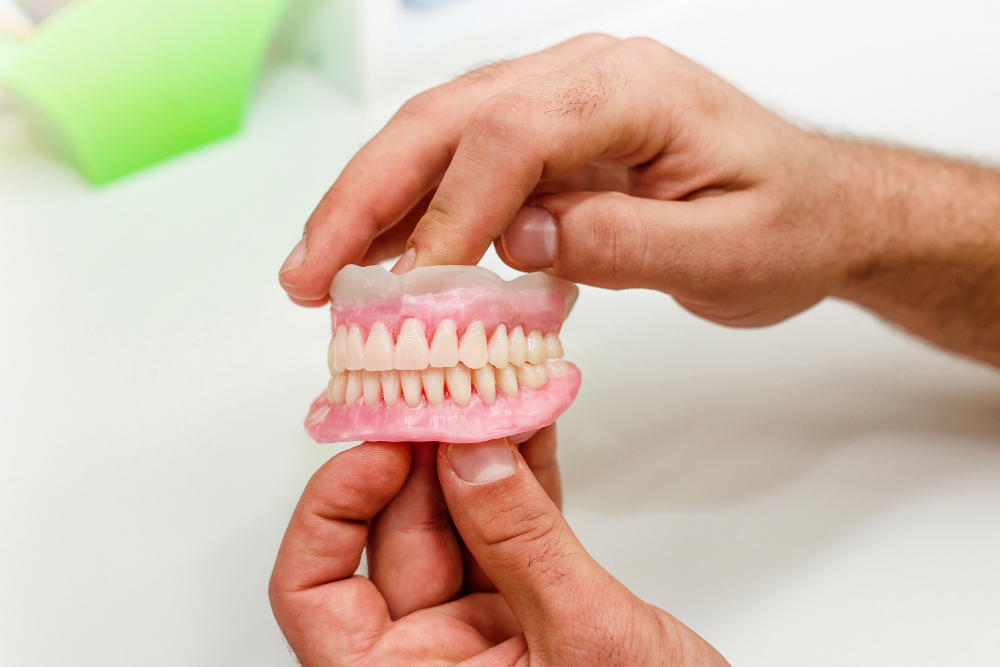
Dentures are custom-made dental appliances that replace missing natural teeth. They are designed to improve chewing, support clearer speech, and restore the appearance of your smile. Depending on how many teeth you have lost, your dentist may recommend a full or partial appliance.
Modern dentures are designed with comfort and appearance in mind. They are commonly made from acrylic resin or other dental materials selected to suit the patient's needs. A properly designed set should fit the contours of your mouth and complement your facial features.
Dentures can also help support the lips and cheeks, which may appear less full following significant tooth loss. Although they cannot function exactly like natural teeth, they can make many everyday activities easier.
The most suitable option depends on your oral health, the condition of your gums, the number of remaining teeth, and your personal expectations.
Exploring Your Denture Options
There is no single solution that works for everyone. Understanding the different types of dentures can help you have a more productive conversation with your dentist.
Full Dentures for Extensive Tooth Loss
Full dentures replace all the teeth in the upper jaw, lower jaw, or both. They rest on the underlying oral tissues and are designed to restore the appearance and basic function of a complete set of teeth.
Some patients receive immediate dentures shortly after their natural teeth are removed. Others receive conventional dentures after the gums have healed. The appropriate approach depends on the condition of your mouth and your treatment plan.
Because the shape of the gums and jawbone can change over time, full dentures may require adjustments to maintain a comfortable fit.
Partial Dentures for Missing Teeth
You do not necessarily need a complete set of dentures if only a few teeth are missing. Partial dentures are designed to fill specific gaps while working alongside your remaining natural teeth.
Depending on the design, they may use metal clasps, acrylic components, or other attachment systems to improve stability. Some options are lighter and more discreet than others, so your dentist can explain which design may suit your situation.
Replacing missing teeth can help restore chewing ability and reduce the risk of neighboring teeth shifting into empty spaces. However, the health of your remaining teeth must be assessed before treatment begins.
Implant-Supported Dentures for Added Stability
For people who want additional stability, implant-supported dentures may be another option. These appliances connect to dental implants placed in the jawbone.
Some implant-supported dentures can be removed for cleaning, while others are designed to remain fixed in place. The choice depends on the type of restoration and the treatment plan.
Although this option can improve stability, it involves a more complex process and may require surgery, sufficient bone support, and additional healing time. Your dentist can determine whether you are a suitable candidate.
Is Tooth Replacement Important?
Replacing missing teeth is not only about creating a more attractive smile. Tooth loss can influence several aspects of oral function and everyday comfort.
When teeth are missing, chewing may become less efficient, and certain foods may be harder to manage. Gaps can also affect speech, depending on which teeth are missing. In addition, remaining teeth may shift over time, potentially changing the way your bite fits together.
A suitable tooth replacement solution can help address these concerns while supporting your overall oral health.
Dentures are one option, but bridges and dental implants may also be appropriate in certain cases. Each treatment has different advantages, costs, maintenance requirements, and limitations.
Rather than choosing based on appearance alone, consider how each option fits your oral health needs, daily routine, and long-term goals.
Your First Weeks With Dentures: What to Expect
Getting used to dentures is a gradual process. Even when your appliance has been carefully designed, your mouth needs time to adapt to something new.
During the first few days, you may notice that your dentures feel unfamiliar or take up more space than expected. You might also experience increased saliva production or temporary changes in pronunciation.
These experiences often improve as you become more accustomed to wearing your dentures.
Here are a few practical ways to make the transition easier:
- Start with soft foods. Foods that require less chewing can help you build confidence while adjusting.
- Take smaller bites. Cutting food into manageable pieces can make eating easier.
- Chew evenly. Using both sides of your mouth may help improve denture stability.
- Practice speaking. Reading aloud or repeating challenging words can help you adjust to changes in pronunciation.
- Attend follow-up appointments. Your dentist can identify pressure points and make adjustments when necessary.
Mild irritation can occur initially, but persistent pain, recurring sores, or dentures that repeatedly slip should not be ignored. A professional adjustment may be necessary to improve the fit.
Denture Care: Building a Simple Daily Routine
Good denture care helps keep your appliance clean, protects your oral tissues, and reduces the risk of unpleasant odors. A consistent routine is generally easier to maintain than waiting until your dentures look dirty.
Clean Your Dentures Without Damaging Them
Remove and clean your dentures daily using a denture brush and a cleaning product suitable for their material. Regular toothpaste can be too abrasive for some dentures, potentially creating small scratches where plaque and stains may accumulate.
Gently clean every surface, including the areas that come into contact with your gums. Avoid hot or boiling water, as excessive heat can change the shape of the appliance.
After meals, rinsing your dentures can help remove loose food particles.
Do Not Forget Your Gums and Natural Teeth
Wearing dentures does not eliminate the need for oral hygiene. Your gums, tongue, and the roof of your mouth should be cleaned gently every day.
If you wear partial dentures, pay particular attention to your remaining natural teeth. Brush them carefully, clean around any clasps, and continue attending routine dental examinations.
Keeping your mouth clean helps reduce plaque buildup and supports the health of the tissues that hold your dentures in place.
Give Your Mouth a Break at Night
Unless your dentist recommends otherwise for a specific reason, remove your dentures before sleeping. Leaving them out overnight gives your oral tissues time to rest and may help reduce irritation.
Keep your dentures in water or an appropriate soaking solution according to the manufacturer's instructions. Some materials require specific storage conditions, so avoid assuming that every cleaning product is suitable for every appliance.
Protect Your Dentures From Accidental Damage
Dentures can crack or break if dropped. When cleaning them, work over a folded towel or a sink filled with water to reduce the impact if they slip from your hands.
If your dentures become damaged, avoid using household glue or attempting to reshape them yourself. Improvised repairs can damage the appliance and may expose your mouth to unsuitable chemicals.
Your dentist can assess whether professional repair, adjustment, or replacement is needed.
Denture Adhesives: Are They Necessary?
Loose dentures can make everyday activities uncomfortable. You may notice movement while eating, speaking, or laughing. In some cases, denture adhesives can provide additional retention and help the appliance feel more secure.
These products are available in several forms, including creams, powders, and strips. They work by helping dentures stay in position during normal use and may reduce the amount of food that gets trapped underneath.
However, adhesives are not essential for everyone. Dentures that fit well may provide sufficient stability without them.
Choosing and Applying Denture Adhesives
If your dentist recommends an adhesive, select a product that is appropriate for your type of dentures. Follow the package directions carefully and use only the recommended amount.
Daily cleaning is essential because adhesive residue can accumulate on both the appliance and your oral tissues. Remove any remaining product as directed by the manufacturer.
It is also important to recognize the limits of adhesives. If your dentures have become increasingly loose, using more adhesive may hide the problem rather than solve it.
Arrange a dental appointment if you regularly need large amounts of adhesive or experience persistent movement. Your dentures may need professional adjustment, relining, or replacement.
Some adhesives contain zinc. Avoid excessive use of zinc-containing products, as chronic overuse has been associated with health problems. Ask your dentist or pharmacist for guidance if you are unsure which product to choose.
Everyday Problems and How to Manage Them
Even with careful preparation, beginners may experience a few challenges. Understanding what is normal and when to seek help can make the adjustment period less stressful.
When Dentures Feel Loose
A denture that moves during meals may be uncomfortable and can make eating difficult. Changes in the gums and jawbone can affect the fit over time, even if the appliance originally felt secure.
Your dentist may recommend a fit adjustment, relining, or a replacement denture. Do not attempt to correct the shape yourself.
When Eating Feels Different
Learning to eat with dentures takes practice. Begin with soft foods, chew slowly, and avoid biting directly into very hard foods while you are adapting.
As your confidence improves, you can gradually introduce a wider variety of textures. If chewing remains difficult, ask your dentist to assess your bite and denture stability.
When Your Mouth Becomes Sore
Pressure from a new or poorly fitting denture can irritate the gums. Repeated sore spots may indicate that the appliance needs adjustment.
Do not ignore persistent ulcers, bleeding, swelling, or significant pain. These symptoms should be evaluated by a dental professional, particularly if they do not improve.
When Dentures Develop Stains or Odors
Plaque, food debris, and inadequate cleaning can contribute to discoloration and unpleasant odors. Daily cleaning and appropriate soaking can help prevent these problems.
If stains remain despite proper maintenance, your dentist can advise you on safe cleaning methods. Avoid harsh household cleaners or abrasive products that may damage the material.
How Often Should Dentures Be Replaced?
Dentures do not last forever. Their lifespan depends on the materials used, the quality of the original fit, daily maintenance, and changes in your mouth.
Over time, the gums and jawbone may change shape, affecting how securely your dentures fit. An appliance that once felt comfortable may eventually begin to move, create sore spots, or affect your bite.
Signs that your dentures need professional attention include visible cracks, persistent discomfort, changes in chewing ability, and increasing difficulty keeping them in place.
There is no universal replacement schedule for every patient. Regular dental examinations help determine whether your dentures need a minor adjustment, relining, repair, or complete replacement.
Looking after your dentures can help maintain their condition, but proper maintenance cannot prevent every age-related or anatomical change.
Dentures Compared With Other Dental Solutions
When researching tooth replacement, it helps to understand how dentures differ from other common treatments.
- Dentures: Removable appliances that replace some or all missing teeth. They may be suitable for people seeking a non-fixed restoration.
- Dental bridges: Fixed restorations that replace missing teeth using neighboring teeth or implants for support, depending on the design.
- Dental implants: Devices placed in the jawbone to support replacement teeth. They may support individual crowns, bridges, or dentures.
Dentures are not automatically the best or least expensive option for every patient. The total cost and suitability of each treatment depend on the complexity of the case, the materials used, and any additional procedures required.
A personalized dental assessment is the best way to compare these alternatives and understand their long-term implications.
Frequently Asked Questions
Can first-time denture wearers eat comfortably?
Yes, many people gradually learn to eat comfortably with dentures. Starting with soft foods, chewing slowly, and increasing food variety over time can help. Persistent difficulty may indicate that the fit needs attention.
How can I make my dentures feel more secure?
A properly fitted appliance is the starting point. Your dentist may recommend denture adhesives for additional retention, but persistent looseness should be assessed professionally.
Are partial dentures difficult to maintain?
Partial dentures require regular cleaning, just like full dentures. You must also care for your natural teeth and gums, especially around the areas where the appliance attaches.
Should I remove my dentures every day?
Daily removal is generally recommended for cleaning. Most people should also remove their dentures at night unless their dentist provides different instructions.
Can dentures change my appearance?
Yes. Dentures can replace missing teeth and help support the lips and cheeks. A carefully designed appliance can improve the appearance of your smile while maintaining a natural-looking result.
What is the most important denture care habit?
Consistency matters most. Clean your dentures daily, maintain good oral hygiene, store the appliance correctly, and attend regular dental checkups.
Conclusion: Start Your Denture Journey With Confidence
Getting dentures is a personal experience, and the right approach begins with understanding your options. Whether you are considering full dentures, exploring partial dentures, or learning how denture adhesives work, reliable information can help you make decisions that suit your needs.
A successful denture experience involves more than selecting an appliance. It also requires patience during the adjustment period, a consistent denture care routine, and professional follow-up to maintain comfort and function.
If you are considering tooth replacement, speak with your dentist about the available treatments and the benefits and limitations of each option. With an appropriate treatment plan and regular care, dentures can become a practical part of your everyday life and help you feel more confident about your smile.