Most people pay close attention to their teeth but often forget that healthy gums are just as important. In fact, your gums play a vital role in supporting your teeth and protecting your overall oral health. The problem is that gum disease symptoms often develop slowly, making them easy to ignore until the condition becomes more serious.
The good news is that gum disease is highly treatable when caught early. Knowing what to look for can help you take action before permanent damage occurs.
What Is Gum Disease?
Gum disease is an infection caused by bacteria that build up along the gumline. It usually begins with gingivitis, the earliest and mildest stage, which affects only the gums. If left untreated, it can progress into periodontal disease, a more advanced condition that damages the tissues and bone supporting your teeth.
This progression doesn't happen overnight. It often starts with subtle symptoms that many people dismiss as minor irritation.
Early Gum Disease Symptoms to Watch For
Recognizing the warning signs early can make a significant difference in your treatment and recovery.
Bleeding Gums
One of the first signs people notice is bleeding gums. If you regularly see blood while brushing or flossing, don't assume it's because you're brushing too hard. Healthy gums shouldn't bleed during normal oral care.
Occasional bleeding can happen, but if it becomes a regular occurrence, it's time to schedule a dental appointment.
Red or Swollen Gums
Healthy gums are usually light pink and firm. When they become red, swollen, or sensitive, it's often a sign that bacteria are causing inflammation. These are common gingivitis symptoms, and they can often be reversed with proper dental care and improved brushing habits.
Bad Breath That Won't Go Away
Persistent bad breath isn't always caused by the foods you eat. Sometimes it's the result of bacteria trapped beneath the gums. If brushing, flossing, and mouthwash don't solve the problem, gum disease could be the reason.
Receding Gums
Have your teeth started looking longer than they used to? This may be because your gums are pulling away from the teeth. Gum recession is often associated with advancing periodontal disease and should never be ignored.
Loose Teeth
As gum disease progresses, it weakens the structures that hold your teeth in place. If your teeth begin to feel loose or shift when you bite, seek professional care as soon as possible.
Pain or Discomfort While Eating
Pain when chewing isn't always caused by cavities. Inflamed gums or infection beneath the gumline can also make eating uncomfortable.
Gingivitis vs. Periodontal Disease
Although people often use these terms interchangeably, they're actually different stages of the same condition.
Gingivitis is the early stage. The gums become inflamed, but the damage hasn't reached the bone. At this point, treatment is usually straightforward, and the condition can often be completely reversed.
Periodontal disease, on the other hand, is more advanced. The infection spreads below the gumline, damaging the tissues and bone that support the teeth. While dentists can control the disease and slow its progression, the lost bone and tissue generally cannot be fully restored.
That's why early detection is so important.
Why Does Gum Disease Develop?
The main cause is plaque—a sticky layer of bacteria that naturally forms on your teeth throughout the day. If plaque isn't removed through brushing, flossing, and professional cleanings, it hardens into tartar, creating the perfect environment for bacteria to grow.
Some people are also at a higher risk because of factors such as:
- Poor oral hygiene
- Smoking or tobacco use
- Diabetes
- Hormonal changes
- Certain medications
- Family history of gum disease
- Dry mouth
- A diet lacking essential nutrients
While some risk factors can't be controlled, maintaining good oral hygiene can greatly reduce your chances of developing gum disease.
The Importance of Regular Dental Checkups
One of the best ways to prevent serious gum problems is by keeping up with regular dental checkups.
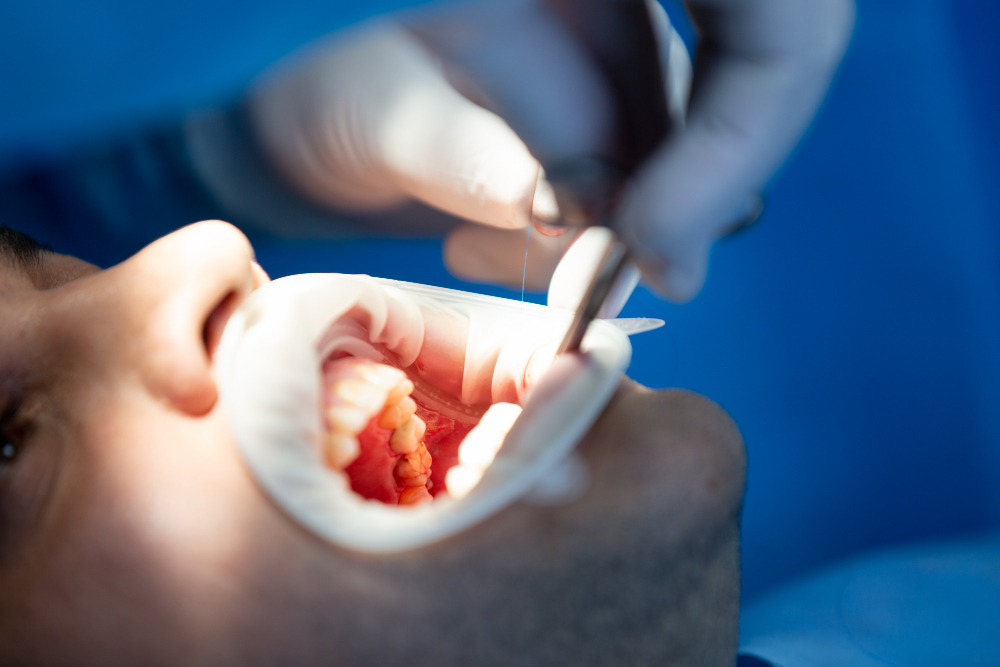
During a routine visit, your dentist can detect early signs of gum disease before you notice any symptoms yourself. Professional cleanings also remove plaque and tartar that brushing alone can't eliminate.
If necessary, your dentist may measure the depth of your gum pockets, evaluate your gum health, and recommend additional treatment before the condition worsens.
For most people, visiting the dentist every six months is enough. However, those who have a history of gum disease may need more frequent appointments.
Simple Ways to Keep Your Gums Healthy
Healthy gums don't require complicated routines. Small daily habits can make a big difference over time.
Here are a few simple steps you can follow:
- Brush your teeth twice a day using fluoride toothpaste.
- Floss every day to remove plaque between your teeth.
- Use an antibacterial mouthwash if recommended by your dentist.
- Avoid smoking and tobacco products.
- Eat a balanced diet that supports your immune system.
- Drink plenty of water throughout the day.
- Don't skip your regular dental checkups.
Consistency is far more important than perfection when it comes to gum health.
When Should You Visit a Dentist?
If you notice any of the following symptoms, it's a good idea to book an appointment as soon as possible:
- Bleeding gums that don't improve
- Swollen or painful gums
- Persistent bad breath
- Receding gums
- Loose teeth
- Pain while chewing
Even if the symptoms seem mild, early treatment is always easier and more effective than waiting until the disease has progressed.