When was the last time you visited the dentist?
For many people, the answer is usually “a long time ago.” Dental appointments are often postponed because there is no pain, no visible problem, or simply because life gets busy. However, waiting until something hurts is not always the best way to take care of your oral health.
So, how often should you go to the dentist?
There is no single answer that applies to everyone. Your ideal dental visit schedule depends on your oral health, dental history, lifestyle, age, and risk of developing problems. While visiting the dentist every six months is a common recommendation, some people may need appointments more frequently, while others may be able to visit less often.
Regular dental appointments are an important part of preventive dentistry. They allow your dentist to monitor your teeth and gums, provide professional cleaning when necessary, and look for potential problems before they become more complicated.
Understanding why dental visits matter can help you make better decisions about your long-term oral health.
How Often Should You Go to the Dentist?
For many people, visiting the dentist twice a year is a reasonable starting point. This means having a dental appointment approximately every six months.
However, the “every six months” rule should not be considered a strict requirement for every patient.
Your dentist may recommend a different dental checkup frequency depending on your individual needs. Someone with a history of cavities or gum disease may benefit from more frequent monitoring. On the other hand, someone with consistently good oral health and a low risk of dental problems may not need to visit as often.
Your dental care plan should be personalized rather than based solely on a calendar.
During your appointments, your dentist can assess your current oral health and determine whether you need to return in a few months, six months, or at another interval.
Why Are Regular Dental Checkups Important?
A dental checkup is about much more than looking for cavities.
Your teeth and gums change over time. Even if you brush and floss regularly, certain problems can develop in areas that are difficult to see or clean properly.
A routine oral exam gives your dentist an opportunity to examine your teeth, gums, bite, and other areas of your mouth. Your dentist may also recommend X-rays when they are appropriate for your situation.
These appointments can help identify issues such as tooth decay, gum inflammation, damaged restorations, cracked teeth, and other oral health concerns.
Perhaps the biggest advantage is that regular appointments can support early detection.
A small problem discovered during a routine examination may be easier to manage than the same problem after it has progressed and started causing significant symptoms.
Preventive Dentistry: Why Prevention Matters
Traditionally, many people think of dentistry as something you need when you have a toothache. You experience pain, make an appointment, receive treatment, and then return to your normal routine.
Modern dental care takes a broader approach.
Preventive dentistry focuses on reducing the likelihood of dental problems and maintaining oral health before major issues develop.
This can include:
- Routine dental examinations
- Professional teeth cleaning
- Fluoride treatments when appropriate
- Monitoring gum health
- Identifying early signs of tooth decay
- Advice about brushing and flossing
- Guidance on diet and oral hygiene habits
- Monitoring existing dental restorations
The goal is to keep your teeth and gums healthy for as long as possible rather than simply treating problems after they appear.
Early Detection Can Prevent Bigger Problems
One of the main reasons to maintain a regular dental checkup frequency is early detection.
Some dental conditions can develop without obvious warning signs. You may not feel pain, notice swelling, or see anything unusual when looking in the mirror.
For example, tooth decay can begin in a small area and gradually become more extensive. Similarly, gum disease may start with subtle symptoms that are easy to overlook.
A regular oral exam gives your dentist the opportunity to identify changes that you might not notice yourself.
Early detection does not guarantee that every problem will be simple to treat, but it can give you more options and may help prevent a minor concern from becoming a more significant dental issue.
This is why waiting for pain is not always the best strategy.
What Happens During a Dental Checkup?
If you have not visited the dentist for a while, you may wonder what actually happens during a routine appointment.
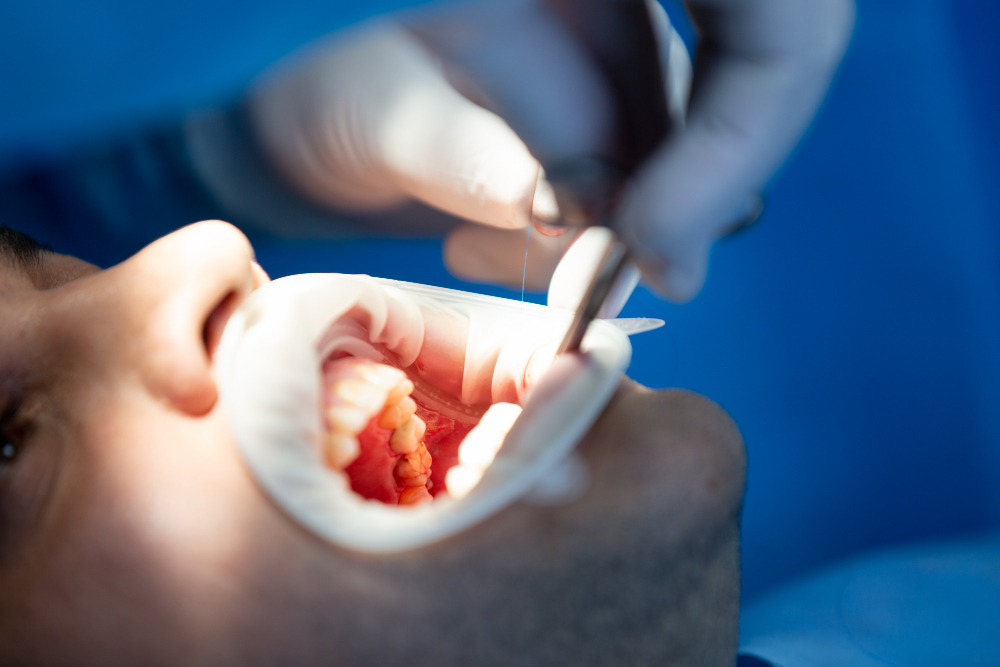
A typical dental checkup begins with an examination of your teeth and gums. Your dentist may ask about any recent changes, sensitivity, discomfort, or concerns you have noticed.
During the oral exam, the dentist may check for:
- Cavities and signs of tooth decay
- Gum inflammation or bleeding
- Signs of gum disease
- Cracked, chipped, or damaged teeth
- Worn areas caused by grinding
- Problems with existing fillings or crowns
- Changes in your bite
- Other unusual changes inside the mouth
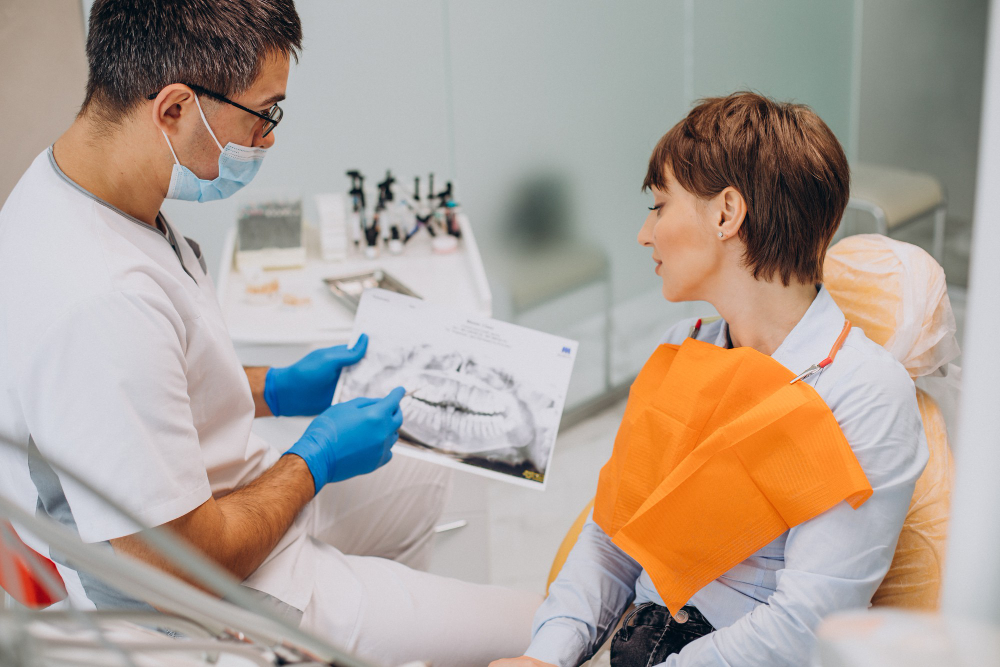
Dental X-rays may be recommended depending on your dental history and individual needs. They can provide information about areas that cannot be fully assessed during a visual examination.
A professional cleaning may also be performed to remove plaque and tartar that regular brushing cannot completely eliminate.
Your dentist can then discuss any findings with you and recommend the appropriate next steps.
Does Everyone Need to Visit Every Six Months?
Not necessarily.
The six-month schedule is widely used because it provides a simple framework for routine dental care, but individual needs can vary considerably.
For example, someone who regularly develops cavities may need more frequent appointments. A person with active gum disease may also require closer monitoring and professional care.
Likewise, people with braces, dental implants, crowns, or multiple restorations may have specific maintenance requirements.
Your dental checkup frequency can also change over time.
You might need more frequent appointments during a particular period of your life and fewer appointments later if your oral health becomes more stable.
The most important factor is not following a specific number simply because it is commonly recommended. It is having a dental care schedule that makes sense for your mouth.
Who May Need More Frequent Dental Visits?
Certain factors can increase the likelihood of dental problems. If any of these apply to you, your dentist may suggest more frequent appointments.
You may need closer monitoring if you:
- Have a history of frequent cavities
- Have gum disease or a history of periodontal problems
- Have difficulty maintaining good oral hygiene
- Have several fillings, crowns, or other restorations
- Wear braces or other orthodontic appliances
- Have dental implants
- Experience frequent dry mouth
- Consume sugary foods or drinks frequently
- Use tobacco products
- Have other factors that increase your risk of oral health problems
This does not mean that everyone with one of these factors will automatically need frequent dental visits. Your dentist can evaluate your individual situation and create an appropriate preventive care plan.
What About People With Healthy Teeth?
You might think that if your teeth look healthy, you do not need regular dental appointments.
Unfortunately, appearance alone does not tell the whole story.
Some dental problems develop below the surface or in areas that are difficult to inspect at home. Gum disease, for example, may progress gradually without causing significant pain in its early stages.
Even people with excellent oral hygiene can benefit from routine professional monitoring.
Regular preventive dentistry is not only for people who already have dental problems. It is also a way to maintain good oral health and identify changes before they become more serious.
How Often Should Children Go to the Dentist?
Children need regular dental care just as adults do.
Their mouths are constantly changing as baby teeth appear, permanent teeth begin to develop, and the jaw grows. Regular dental appointments allow these changes to be monitored.
A child's dentist can also identify early signs of cavities, evaluate tooth development, and provide parents and children with guidance about brushing, flossing, nutrition, and other habits.
Children who become familiar with dental visits from an early age may also develop a more positive attitude toward dental care.
The appropriate dental checkup frequency for children depends on their age, oral health, cavity risk, and individual circumstances.
Your Daily Routine Matters Too
Regular dental appointments are important, but they cannot replace your everyday oral hygiene routine.
Think of dental care as a partnership between professional care and what you do at home.
To support your oral health between appointments:
Brush Regularly
Brush your teeth twice a day using fluoride toothpaste unless your dental professional recommends otherwise. Take enough time to clean all surfaces of your teeth rather than rushing through the process.
Clean Between Your Teeth
A toothbrush cannot effectively clean every space between your teeth. Floss or use another interdental cleaning method recommended by your dentist.
Pay Attention to Your Diet
Frequent exposure to sugary foods and drinks can increase the risk of tooth decay. Being mindful of how often you consume these foods can support better oral health.
Avoid Tobacco
Tobacco use can negatively affect your teeth, gums, and overall oral health. Avoiding tobacco is an important part of a preventive approach.
Don't Ignore Changes
If you notice persistent sensitivity, bleeding gums, swelling, pain, a broken tooth, or another unusual change, contact your dentist rather than waiting for your next routine appointment.
When Should You Visit the Dentist Immediately?
Routine appointments are important, but some symptoms deserve attention sooner.
You should contact a dental professional if you experience:
- Persistent tooth pain
- Significant sensitivity
- Swollen or painful gums
- Repeated gum bleeding
- A broken or severely damaged tooth
- Facial or oral swelling
- Difficulty chewing
- A sore or unusual area in the mouth that does not heal
- A noticeable change in your teeth or gums
These symptoms do not necessarily mean that you have a serious condition. However, they should be evaluated by a dental professional.
An additional oral exam can help determine the cause of the problem and whether treatment is necessary.
What Happens If You Skip Dental Checkups?
Skipping one appointment does not automatically mean that your oral health will deteriorate. However, consistently avoiding dental visits can make it easier for certain problems to go unnoticed.
Without routine examinations, small changes may not be identified until they produce noticeable symptoms.
For example, a developing cavity may eventually cause sensitivity or pain. A gum problem may become more advanced before you realize that something is wrong.
This is where early detection becomes especially important.
Regular visits give your dentist a chance to establish a baseline for your oral health and notice changes from one appointment to the next.
Is a Dental Cleaning the Same as a Dental Checkup?
Not exactly.
A professional cleaning focuses primarily on removing plaque and tartar from your teeth. A dental checkup involves an examination of your oral health and may include additional diagnostic procedures when needed.
Both can play an important role in preventive dentistry, but they serve different purposes.
Depending on your individual needs, your dentist may recommend having both an examination and professional cleaning during the same appointment.
Dental Checkups Are an Investment in Your Future Smile
It can be tempting to think of a dental appointment as an unnecessary expense when everything feels fine.
But regular dental care is better viewed as an investment in your long-term oral health.
Taking care of small issues early, maintaining healthy gums, protecting your natural teeth, and learning how to improve your daily habits can all contribute to a healthier smile over time.
The purpose of regular dental care is not simply to react to problems. It is to help prevent them whenever possible.
So, How Often Should You Go to the Dentist?
So, how often should you go to the dentist?
For many people, a dental visit about every six months is a useful general guideline. However, the ideal schedule depends on your individual oral health and risk factors.
If you have a history of cavities, gum disease, dental restorations, orthodontic treatment, or other oral health concerns, your dentist may recommend more frequent visits.
If your oral health is stable and your risk is low, your dentist may recommend a different schedule.
Ultimately, there is no universal dental appointment schedule that works perfectly for everyone.
The best approach is to have regular oral exam appointments and follow the dental checkup frequency recommended by your dental professional.
Most importantly, do not wait for pain before paying attention to your oral health. Through preventive dentistry, regular checkups, good daily habits, and early detection, you can give your teeth and gums a better chance of staying healthy for years to come.
A healthy smile is not something you maintain only when a problem appears. It is something you take care of consistently, long before you ever feel that something is wrong.