Most people associate stress with headaches, fatigue, or difficulty sleeping. However, stress can also leave a lasting mark on your oral health. From unconscious teeth grinding to persistent jaw pain, the effects of chronic stress often show up in places you might not expect. Understanding the relationship between stress and dental health is the first step toward preventing long-term damage.
When Stress Becomes a Dental Issue
The human body reacts to stress in many physical ways. As stress levels increase, muscles throughout the body tend to tighten—including those in the face and jaw. This constant tension can trigger habits and conditions that negatively affect your teeth, gums, and jaw joints.
In many cases, people don't realize they are experiencing stress-related oral health issues until symptoms become painful or visible.
Teeth Grinding: The Hidden Consequence of Stress
One of the most common bruxism causes is ongoing emotional or psychological stress. Bruxism, also known as teeth grinding, often occurs during sleep, making it difficult to detect without professional evaluation.
Over time, teeth grinding can wear down enamel, weaken teeth, and increase sensitivity. Some individuals may also experience frequent morning headaches or facial soreness without understanding the underlying cause.
Common signs include:
- Flattened or worn tooth surfaces
- Increased tooth sensitivity
- Morning headaches
- Tightness in the jaw muscles
- Chipped or fractured teeth
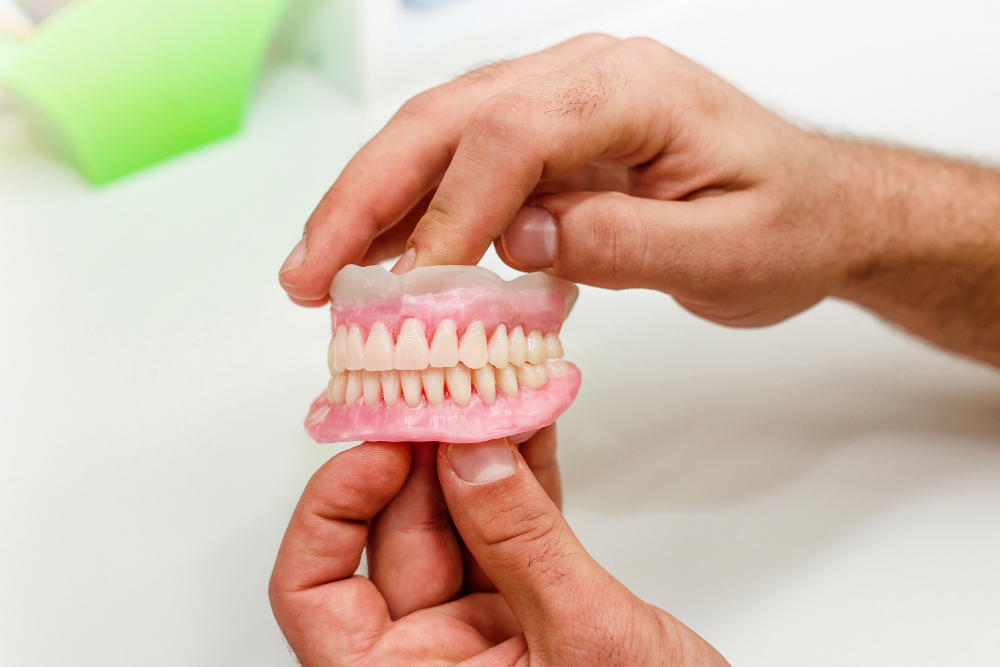
Without treatment, these symptoms can develop into more serious dental problems that require restorative procedures.
Why Stress Often Leads to Jaw Pain
Stress doesn't just affect the teeth—it also places significant strain on the jaw. Many people clench their jaws throughout the day without realizing it, especially during periods of high pressure or anxiety.
This repetitive tension can overload the jaw joints and surrounding muscles, leading to chronic jaw pain and discomfort. In some cases, stress-related clenching may contribute to temporomandibular joint (TMJ) disorders.
Symptoms may include:
- Pain while chewing
- Difficulty opening the mouth fully
- Clicking or popping sounds in the jaw
- Facial muscle fatigue
- Neck and shoulder discomfort
Ignoring these warning signs can allow the condition to worsen over time.
The Broader Impact of Stress on Dental Health
The connection between stress and dental health extends beyond teeth grinding and jaw pain. Stress can influence oral health in several other ways.
Increased Risk of Gum Disease
Long-term stress can weaken the body's immune response, making it harder to fight bacterial infections. As a result, the gums may become more vulnerable to inflammation and periodontal disease.
Dry Mouth and Tooth Decay
Stress and anxiety can reduce saliva production, creating a dry oral environment. Since saliva plays a crucial role in protecting teeth from bacteria, a lack of it can increase the risk of cavities and bad breath.
Neglected Oral Care Habits
During stressful periods, many people become less consistent with brushing, flossing, and routine dental visits. These changes may seem minor but can contribute to significant dental problems over time.
Protecting Your Teeth and Jaw from Stress
While stress is often unavoidable, its impact on your oral health can be managed. Taking proactive steps can help reduce the risk of damage.
Here are some practical strategies:
- Practice relaxation techniques such as yoga, meditation, or deep breathing.
- Maintain regular brushing and flossing habits.
- Limit stimulants like caffeine, especially before bedtime.
- Consider a custom-made night guard if teeth grinding is a concern.
- Schedule regular dental checkups to catch problems early.
By managing stress effectively, you can protect both your mental well-being and your oral health.