Brushing your teeth is an essential part of your daily routine, but it only cleans about 60% of your tooth surfaces. The remaining areas—especially the spaces between your teeth—can collect plaque, food particles, and harmful bacteria. That's why learning how to floss properly is one of the smartest habits you can develop for lifelong oral health.
Using the correct flossing technique not only helps prevent cavities but also protects your gums from inflammation and disease. Whether you're new to flossing or looking to improve your routine, this guide explains everything you need to know about effective interdental cleaning and shares practical gum health tips to keep your smile in great condition.
Why Flossing Matters More Than You Think
Many people assume brushing alone is enough to maintain healthy teeth. While brushing removes plaque from visible surfaces, it cannot reach the narrow spaces between teeth where bacteria thrive.
When plaque remains in these hidden areas, it can eventually harden into tartar, increasing the risk of:
- Tooth decay
- Gum inflammation
- Persistent bad breath
- Gingivitis
- Advanced gum disease
- Tooth loss
Adding daily interdental cleaning to your oral care routine significantly reduces these risks and contributes to healthier gums over time.
How to Floss Properly: A Step-by-Step Guide
If you're unsure how to floss properly, following a gentle and consistent method is more important than flossing aggressively.
1. Cut the Right Length
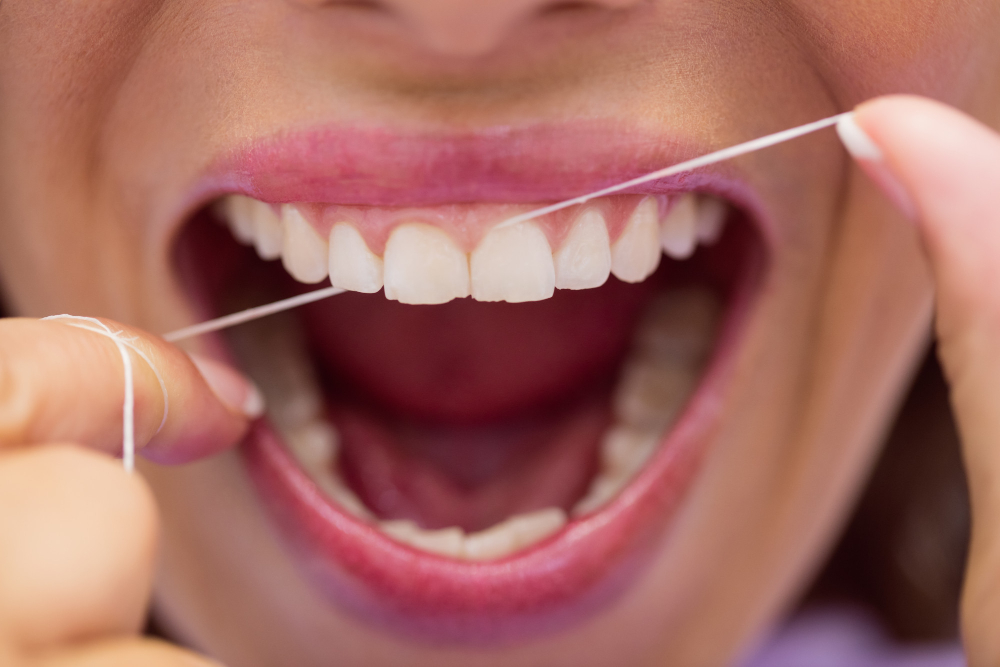
Start with about 18 inches (45 cm) of dental floss. Wind most of it around one middle finger and the rest around the opposite hand, leaving a few inches to work with.
2. Guide the Floss Carefully
Hold the floss securely between your thumbs and index fingers. Slowly ease it between your teeth using a gentle side-to-side motion.
Avoid forcing the floss downward, as snapping it against your gums can cause unnecessary irritation.
3. Follow the Shape of the Tooth
Once the floss reaches the gumline, wrap it around one tooth in a "C" shape. Move it gently beneath the gumline and slide it up and down several times.
Repeat the same movement on the neighboring tooth before removing the floss.
4. Use Clean Floss Each Time
As you move through your mouth, unwind a fresh section of floss for every tooth. This prevents spreading bacteria from one area to another.
Mastering this flossing technique ensures that plaque is removed effectively without damaging delicate gum tissue.
Signs You're Flossing Correctly
Many people wonder whether they're flossing effectively. You're likely using the proper flossing technique if:
- The floss slides smoothly around each tooth.
- You clean below the gumline without discomfort.
- Your gums become healthier over time.
- Bleeding decreases after the first week or two.
- Your mouth feels cleaner after flossing.
Consistency matters far more than force.
Common Flossing Errors to Avoid
Even people who floss daily sometimes make mistakes that reduce its effectiveness.
Here are the most common ones:
- Rushing through the process
- Ignoring the very back teeth
- Snapping floss into the gums
- Using the same section repeatedly
- Flossing only occasionally
- Stopping because of minor bleeding
Correcting these habits can greatly improve the results of your daily interdental cleaning routine.
Which Type of Floss Is Best?
Choosing the right floss depends on your teeth, dental work, and personal preference.
Traditional Waxed Floss
Ideal for tight spaces because it glides smoothly between teeth.
Unwaxed Floss
A thinner option that some people prefer for closely spaced teeth.
Dental Tape
Designed for people with wider gaps between their teeth.
Floss Picks
Convenient for travel and quick use, although traditional floss often provides better control.
Water Flossers
Water flossers use a pressurized stream of water to clean around teeth and below the gumline. They're especially useful for individuals with braces, implants, crowns, or bridges. However, many dental professionals recommend using them alongside regular floss rather than as a complete replacement.
How Often Should You Floss?
The answer is simple: once every day.
The best time to floss is the time you'll remember to do it consistently. Many people choose to floss at night so plaque and food particles aren't left between the teeth while they sleep.
Making interdental cleaning part of your everyday routine delivers better long-term results than flossing occasionally.
Is Bleeding Normal?
If you've recently started flossing after a long break, you may notice slight bleeding.
This usually happens because your gums are inflamed from accumulated plaque—not because flossing is harmful.
As plaque is removed consistently, your gums often become healthier and bleeding gradually disappears within a couple of weeks.
If heavy bleeding continues despite regular flossing, it's important to schedule a dental examination.
Gum Health Tips for a Stronger Smile
Flossing works best when combined with other healthy habits. Consider adding these simple gum health tips to your daily routine:
- Brush twice daily using fluoride toothpaste.
- Clean your tongue to reduce bacteria.
- Drink enough water throughout the day.
- Eat crunchy fruits and vegetables that naturally help clean teeth.
- Reduce frequent sugary snacks.
- Avoid smoking and tobacco products.
- Visit your dentist every six months for professional cleanings.
These gum health tips support stronger gums and contribute to better overall oral health.
The Long-Term Benefits of Interdental Cleaning
Daily interdental cleaning offers more than just cleaner teeth.
Regular flossing can help:
- Reduce plaque buildup
- Prevent gum disease
- Lower the risk of cavities
- Eliminate trapped food particles
- Improve breath freshness
- Preserve natural teeth for longer
- Support a healthier smile at every age
Small daily habits often have the greatest long-term impact on oral health.
Frequently Asked Questions
Should I floss before or after brushing?
Both methods are effective. Some dental professionals suggest flossing first so fluoride toothpaste can better reach the spaces between teeth.
Can floss create gaps between teeth?
No. Floss does not create spaces. Instead, it removes plaque and swollen gum tissue that may have been hiding your natural tooth shape.
Is flossing necessary if I use mouthwash?
Yes. Mouthwash cannot physically remove plaque or food trapped between teeth. Mechanical interdental cleaning remains essential.
What if I wear braces?
Orthodontic floss, floss threaders, or water flossers can make cleaning around brackets and wires much easier while protecting your gums.