Bad breath can be more than a temporary inconvenience. When you constantly worry about whether your breath smells, it can affect your confidence during conversations, meetings, dates, and even everyday social interactions.
The good news is that bad breath is often manageable once you understand what is causing it. Instead of relying on chewing gum or breath mints to cover the smell, the better approach is to find the source and build habits that keep your mouth clean and healthy.
So, how to get rid of bad breath effectively? Let's look at the most common causes and the practical steps that can help you maintain fresher breath.
Why Does Bad Breath Happen?
Bad breath, medically known as halitosis, can have many different causes. However, the problem often begins inside the mouth.
Your mouth naturally contains millions of bacteria. Some of these bacteria feed on food particles and proteins left behind in the mouth. During this process, they can produce unpleasant-smelling compounds.
This is why oral bacteria play such an important role in bad breath.
Some of the most common halitosis causes include:
- Inadequate brushing and flossing
- Bacteria and debris accumulating on the tongue
- Plaque and tartar buildup
- Gum disease
- Cavities and other dental problems
- Dry mouth
- Smoking and tobacco use
- Strong-smelling foods
- Certain medications
- Some medical conditions
Because the cause can vary from person to person, finding the reason behind persistent bad breath is often more effective than simply trying different products.
Start With Your Tongue
When people think about oral hygiene, they usually focus on their teeth. But your tongue deserves attention too.
The surface of the tongue contains tiny grooves and structures where bacteria, food particles, and dead cells can accumulate. The farther back you go, the easier it can be for these substances to remain undisturbed.
This is where tongue cleaning can make a difference.
You can gently clean your tongue with a toothbrush or a dedicated tongue scraper. There is no need to scrub aggressively. A gentle cleaning once or twice a day is generally enough to remove buildup without irritating the tongue.
If you have never cleaned your tongue before, adding this small step to your morning routine may be one of the simplest bad breath remedies to try.
Don't Forget the Spaces Between Your Teeth
You can brush your teeth perfectly and still have food and plaque hiding between them.
When these areas are not cleaned regularly, bacteria have more opportunity to grow. Over time, this buildup can contribute to both bad breath and gum problems.
Flossing or using another interdental cleaning method once a day helps remove debris that your toothbrush cannot reach.
Think of it this way: brushing cleans the surfaces of your teeth, while interdental cleaning takes care of the spaces in between.
Drink More Water
Sometimes the simplest solution is also one of the most overlooked.
Saliva helps keep your mouth clean by washing away food particles and bacteria. When your mouth becomes dry, this natural cleaning process is reduced, which can make bad breath more noticeable.
Drinking water throughout the day can help keep your mouth hydrated. It can also help rinse away leftover food and other substances that contribute to unpleasant odors.
If you regularly experience significant dry mouth, however, it is a good idea to discuss it with a dental or medical professional.
Don't Use Mints to Hide the Problem
A mint can make your breath smell fresher for a short period, but it does not necessarily address the reason behind the odor.
The same applies to many breath-freshening products. They may temporarily change the smell in your mouth, but if the underlying problem is plaque, gum disease, dry mouth, or another issue, the odor can return.
This is why effective bad breath care should focus on prevention and oral health rather than simply covering up the smell.
What About Mouthwash?
Mouthwash can be a useful addition to an oral hygiene routine, depending on the product and your individual needs. Some mouthwashes can help reduce bacteria or provide temporary freshness.
However, mouthwash should not replace brushing, cleaning between your teeth, or tongue cleaning.
If you have ongoing bad breath, choosing a mouthwash without addressing the underlying cause may only provide a temporary solution.
Watch Out for Your Daily Habits
Your everyday habits can have a surprisingly large impact on your breath.
Foods such as garlic and onions contain compounds that can produce strong odors. Smoking and tobacco use can also contribute to unpleasant breath while negatively affecting your oral health.
Other habits worth considering include:
- Skipping your nighttime brushing routine
- Drinking too little water
- Frequently consuming sugary foods and drinks
- Neglecting dental checkups
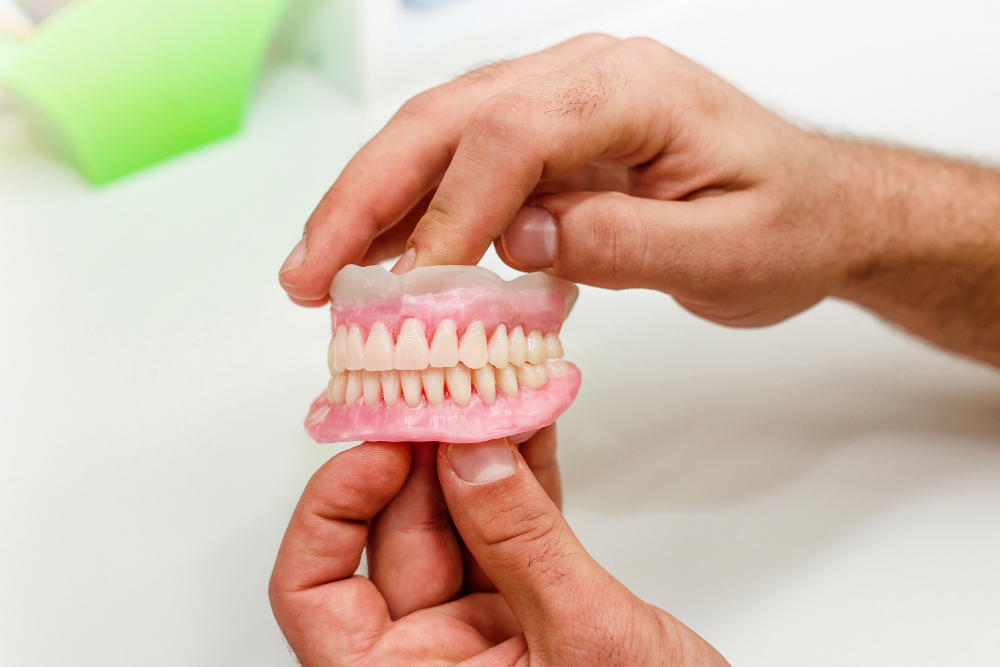
- Not cleaning dentures or dental appliances properly
Small changes can add up when they are practiced consistently.
When Is Bad Breath a Sign of a Bigger Problem?
Occasional bad breath is normal. Persistent bad breath, however, should not always be ignored.
If your breath remains unpleasant even though you brush, floss, clean your tongue, and maintain good oral hygiene, there may be another reason behind it.
Gum disease, tooth decay, infections, and persistent dry mouth are among the issues that can contribute to chronic bad breath. In some situations, certain medical conditions can also play a role.
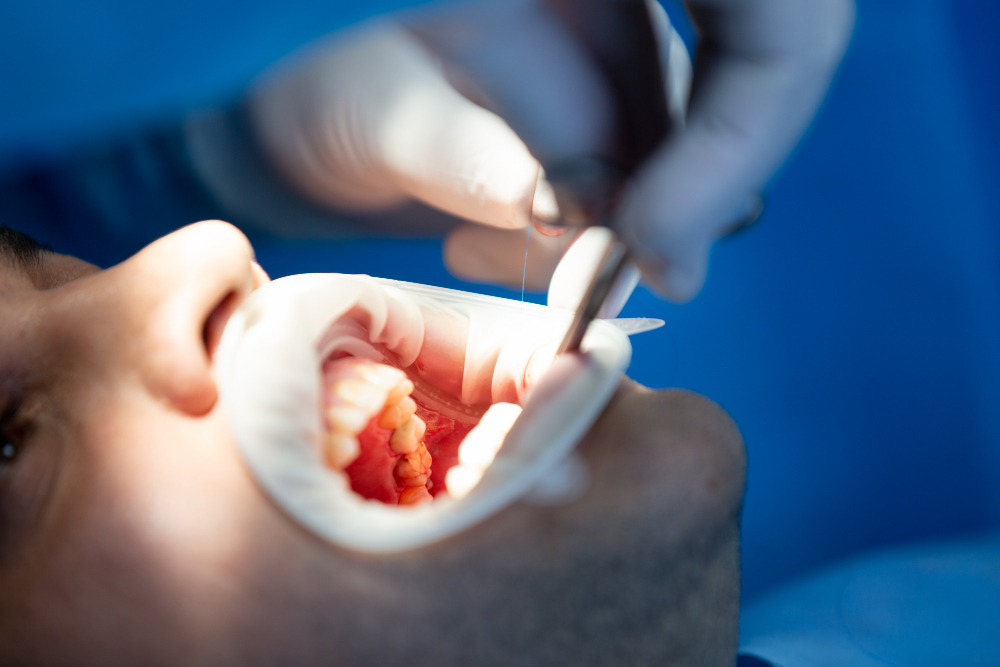
A dentist can examine your teeth and gums and help determine whether an underlying dental problem needs treatment.
A Simple Routine for Fresher Breath
You don't need a complicated routine to improve your breath. Consistency is much more important.
Try making these habits part of your everyday routine:
- Brush your teeth twice a day with fluoride toothpaste.
- Clean your tongue gently every day.
- Clean between your teeth once a day.
- Drink water regularly.
- Keep dentures, retainers, or other dental appliances clean.
- Avoid tobacco products.
- Visit your dentist regularly.
- Pay attention to persistent changes in your breath or oral health.
The Bottom Line
If you're searching for how to get rid of bad breath, don't focus only on finding the strongest mint or mouthwash. Fresh breath usually starts with a healthy mouth.
Understanding the possible halitosis causes, reducing oral bacteria, cleaning between your teeth, staying hydrated, and making tongue cleaning part of your routine can all help.
Most importantly, persistent bad breath is worth investigating rather than simply masking. Once the underlying cause is identified and treated, maintaining fresh breath becomes much easier.
Fresh breath isn't about a quick fix—it's about giving your mouth the daily care it needs.