Pregnancy brings many exciting changes, from the first ultrasound to feeling your baby move for the first time. But alongside these wonderful moments, your body also goes through significant hormonal and physical changes that can affect areas you may not immediately think about — including your mouth.
Your teeth and gums can become more sensitive during pregnancy, and problems such as bleeding gums, swelling, bad breath, and tooth sensitivity may appear unexpectedly. This is why paying attention to oral health during pregnancy is an important part of looking after yourself and your baby.
The good news is that most pregnancy-related dental problems can be prevented or managed with the right habits and professional care.
Why Does Pregnancy Affect Your Teeth and Gums?
Pregnancy does not simply change your body shape. Your hormone levels also change considerably, particularly levels of estrogen and progesterone.
These hormones can increase blood flow to your gums and make them more sensitive to plaque. As a result, bacteria and plaque that might normally cause little irritation can trigger a much stronger response during pregnancy.
This is where the relationship between hormonal changes and teeth becomes important.
You may notice that your gums bleed more easily when brushing, look redder than usual, or feel swollen and tender. These changes can be uncomfortable, but they are relatively common during pregnancy.
However, they should not simply be ignored.
Pregnancy Gum Health: What Should You Look Out For?
Healthy gums should generally appear firm and pink and should not bleed regularly. During pregnancy, however, your gums may react differently.
Good pregnancy gum health involves paying attention to changes and responding to them early.
Some of the most common symptoms include:
- Bleeding when brushing or flossing
- Red or swollen gums
- Increased gum sensitivity
- Gum tenderness
- Persistent bad breath
- Greater sensitivity around certain teeth
- Plaque buildup that seems harder to control
These symptoms can be signs of pregnancy-related gum inflammation. Maintaining good oral hygiene is therefore particularly important during this period.
Gingivitis in Pregnancy: A Common Concern
One of the most frequently discussed dental problems during pregnancy is gingivitis in pregnancy.
Pregnancy gingivitis occurs when the gums become inflamed, usually as a result of plaque combined with increased hormonal sensitivity. It can develop even if you have never experienced gum problems before.
You might notice blood on your toothbrush or floss, especially as pregnancy progresses. While this can be concerning, it does not necessarily mean that something is seriously wrong.
The important thing is not to stop cleaning your teeth because your gums bleed.
Using a soft toothbrush, brushing gently twice a day, and cleaning between your teeth can help control plaque. If the bleeding is persistent, excessive, or accompanied by pain and swelling, a dental examination is recommended.
Morning Sickness and Your Teeth
Morning sickness is another pregnancy-related issue that can affect oral health.
When you vomit, stomach acid comes into contact with your teeth. Repeated exposure to acid can gradually weaken tooth enamel and increase sensitivity.
There is a simple but important tip to remember:
Do not brush your teeth immediately after vomiting.
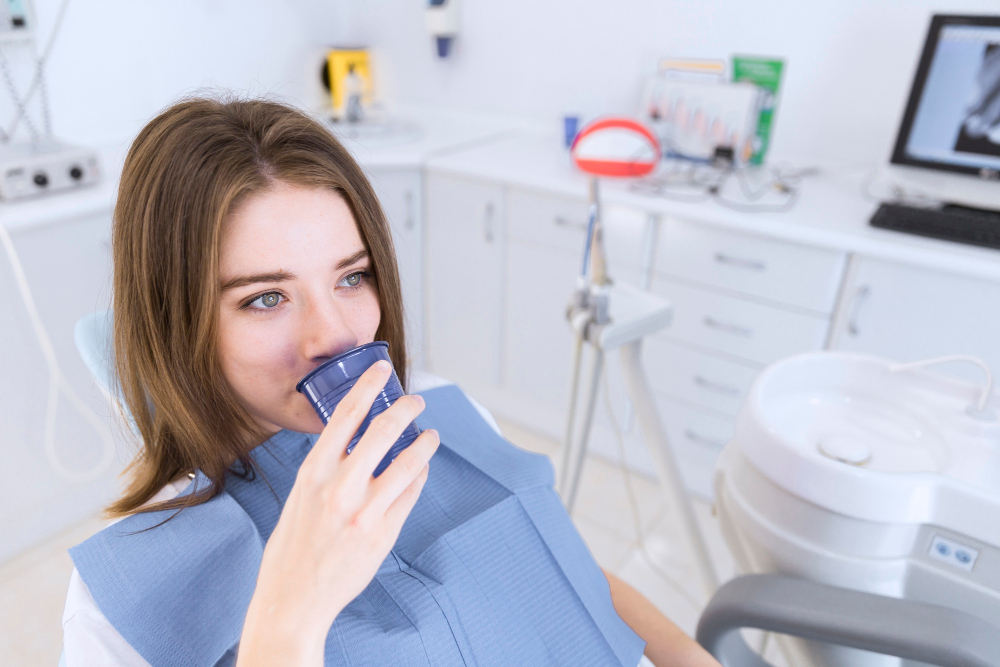
Instead, rinse your mouth thoroughly with water. You can also ask your dentist about suitable rinses if you experience frequent vomiting. Waiting before brushing gives your enamel time to recover from the temporary acid exposure.
This small change can help protect your teeth throughout pregnancy.
Can Pregnancy Cause Cavities?
Pregnancy itself does not directly create cavities. However, several changes that occur during pregnancy can make tooth decay more likely.
For example, you may find yourself eating more frequently because of hunger, cravings, or nausea. If those snacks contain a lot of sugar or carbohydrates, your teeth may be exposed to acids more often.
Morning sickness can also contribute to enamel erosion, while tiredness or nausea may sometimes make it harder to maintain your usual brushing routine.
To reduce your risk of cavities:
- Brush twice daily with fluoride toothpaste.
- Clean between your teeth every day.
- Drink water regularly.
- Limit frequent sugary snacks.
- Choose nutritious foods whenever possible.
- Keep regular dental appointments.
Small daily habits can make a significant difference.
Prenatal Dental Care Should Be Part of Your Routine
When preparing for a baby, dental appointments may not be at the top of your list. However, prenatal dental care deserves attention just like your other routine health appointments.
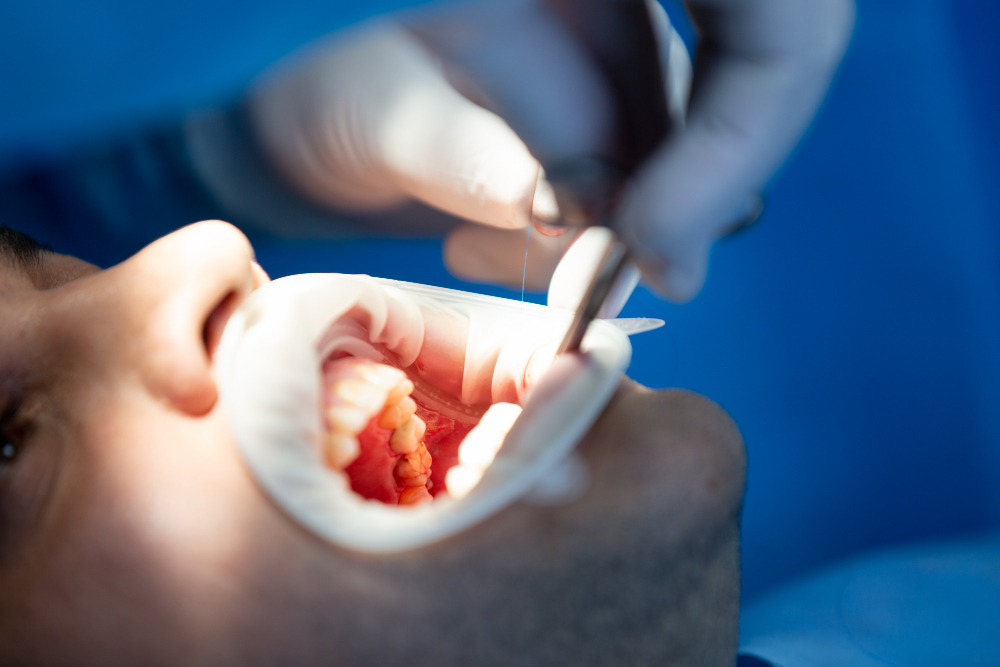
A dental checkup allows your dentist to identify early signs of cavities, gum inflammation, or other problems before they become more difficult to manage.
If you are planning a pregnancy, having a dental examination beforehand can be particularly helpful. Existing dental problems can be addressed before pregnancy, allowing you to start this important period with a healthier mouth.
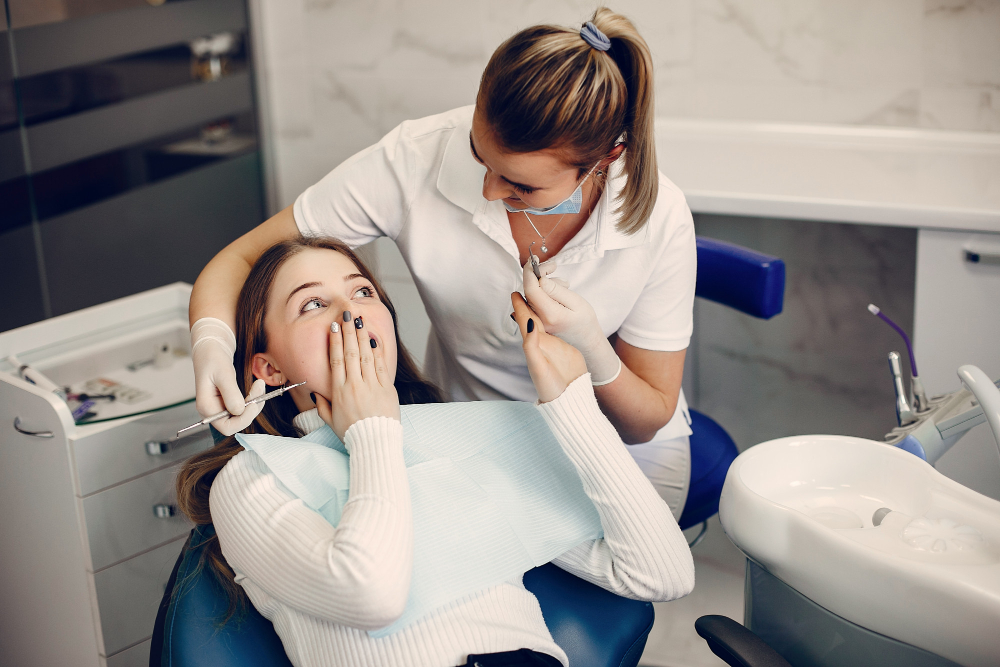
If you are already pregnant, you can still visit your dentist. Simply let your dental team know that you are pregnant so they can take your individual circumstances into consideration.
Is It Safe to Visit the Dentist While Pregnant?
A common concern among expectant mothers is whether dental treatment should be avoided until after the baby is born.
In reality, necessary dental care should not automatically be postponed. Ignoring tooth pain, infection, or significant gum problems can allow the condition to become more serious.
Your dentist can determine which treatments are appropriate for you based on your stage of pregnancy and individual circumstances. If medication, local anesthesia, or an X-ray is necessary, your dental team can consider the appropriate precautions.
The key is communication.
Always tell your dentist that you are pregnant before undergoing treatment and inform them about any medications or supplements you are taking.
A Simple Pregnancy Oral Care Routine
Taking care of your teeth during pregnancy does not have to be complicated. A consistent routine is often more valuable than an elaborate one.
Morning
Start your day by brushing your teeth for around two minutes with fluoride toothpaste.
During the Day
Drink plenty of water and try to avoid constantly sipping sugary drinks or snacking on sweet foods.
If you experience morning sickness, rinse your mouth with water after vomiting and wait before brushing.
Evening
Brush your teeth again before going to bed and clean carefully between your teeth.
Regularly
Visit your dentist for professional examinations and cleaning when recommended.
This simple routine can help keep plaque under control and support healthier gums throughout pregnancy.
Don't Ignore Changes in Your Mouth
Your body is constantly communicating with you during pregnancy. Changes in your mouth are no different.
A small amount of occasional gum bleeding may be related to pregnancy, but persistent symptoms deserve attention. Pain, significant swelling, pus, severe bleeding, or a loose tooth should be evaluated by a dental professional.
Early attention is usually much easier than dealing with a more advanced dental problem later.
Your Smile Deserves Attention During Pregnancy
Pregnancy is a time when your health naturally becomes a priority. While most of the focus is understandably placed on your baby's development, your own oral health should not be forgotten.
Maintaining oral health during pregnancy can help reduce the risk of gum problems, tooth decay, and discomfort. Understanding how hormonal changes and teeth are connected can also help you recognize changes in your mouth without unnecessary worry.
From managing gingivitis in pregnancy to maintaining good pregnancy gum health, simple daily habits and professional dental care can go a long way.
Most importantly, don't wait for dental pain before seeing your dentist. Preventive prenatal dental care is one of the easiest ways to protect your smile throughout pregnancy and beyond.
A healthy pregnancy includes taking care of you, too — and that includes your smile.