The phrase “root canal treatment” is enough to make some people nervous. Many patients imagine a long, painful dental procedure and put off making an appointment because they are worried about what might happen.
But how much of what we hear about root canals is actually true?
A root canal is not designed to cause pain. It is a treatment used to remove infection, protect the surrounding tissues, and give a damaged tooth a chance to remain in your mouth. With modern dental techniques, the procedure is usually much more straightforward than patients expect.
So, what really happens when you need a root canal? Let’s take a closer look.
Why Does a Tooth Need a Root Canal?
To understand root canal treatment, it helps to understand what is inside your tooth.
Beneath the hard outer layers of a tooth is a soft area called the pulp. It contains nerves, blood vessels, and connective tissue. When bacteria reach this area, the pulp can become inflamed or infected.
This can happen for several reasons, including:
- Deep tooth decay
- A cracked or damaged tooth
- Dental trauma
- Repeated procedures on the same tooth
- An untreated cavity that has progressed over time
Once the pulp is seriously damaged, it cannot always heal on its own. In these situations, removing the infected tissue may be necessary to protect the tooth and surrounding bone.
The Signs May Be Easier to Ignore Than You Think
A tooth infection does not always begin with dramatic pain.
You might notice a sharp reaction when drinking something cold, discomfort while chewing, or a dull ache that comes and goes. Some people experience swelling or tenderness around the tooth. Others have very few symptoms at all.
Possible warning signs include:
- Pain that lingers after eating or drinking
- Sensitivity to hot or cold
- Pain when biting down
- Swollen or tender gums
- A small bump on the gum near the tooth
- Persistent toothache
- Discoloration of the tooth
Because symptoms can vary, it is not always possible to tell how serious a dental problem is simply by how much it hurts. A dental examination and, when necessary, an X-ray can provide a clearer picture.
So, What Actually Happens During a Root Canal?
This is probably the question most patients want answered.
The procedure is essentially about accessing the inside of the tooth, removing the damaged tissue, cleaning the root canals, and sealing them.
Step 1: Finding the Source of the Problem
Before starting treatment, the dentist examines the tooth and reviews your symptoms. Dental X-rays can help show the shape of the roots and whether infection has affected the tissues around the tooth.
This diagnostic stage is important because tooth pain can have several different causes. Not every painful tooth automatically needs a root canal.
Step 2: Making Sure You Are Comfortable
The tooth and surrounding area are numbed with local anesthesia.
This is where modern dentistry has changed the experience for many patients. The purpose of anesthesia is to prevent significant pain during the procedure. You may still notice pressure, movement, or vibrations, but you should not simply tolerate pain during treatment. If you feel uncomfortable, tell your dentist.
For patients who are particularly anxious about dental procedures, discussing those concerns before treatment can also make the appointment easier.
Step 3: Reaching the Infected Area
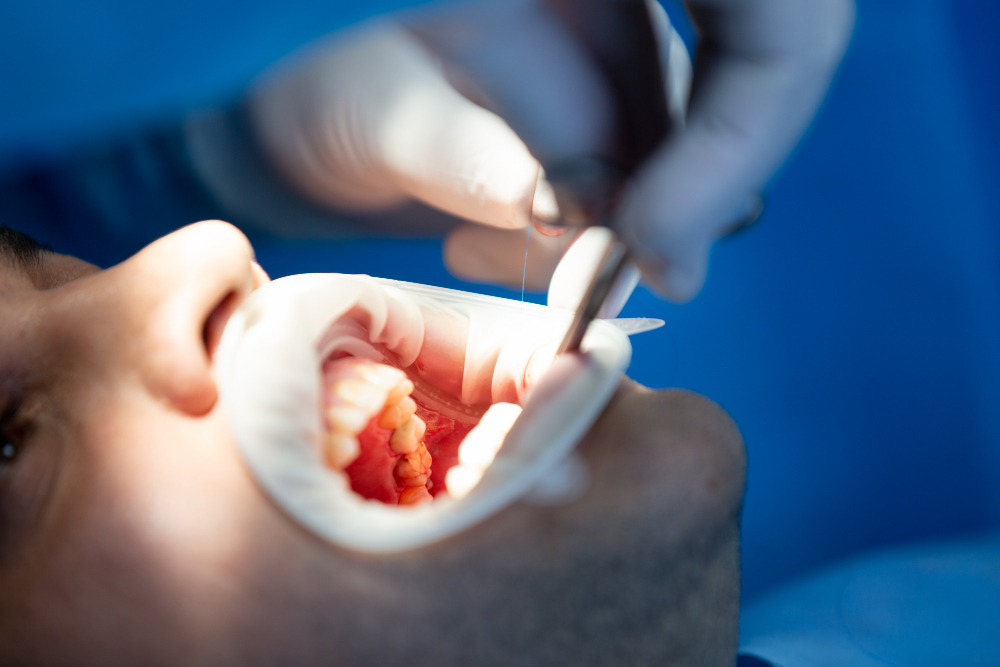
Once the tooth is numb, the dentist creates a small opening in the tooth.
This provides access to the pulp chamber and the root canals underneath it. A protective rubber dam may be placed around the tooth to keep the working area clean and dry.
At this point, the dentist can reach the tissue responsible for the problem.
Step 4: Cleaning the Root Canals
The damaged or infected pulp is carefully removed.
The canals are then cleaned and shaped using specialized dental instruments. The goal is to remove bacteria, infected tissue, and debris from the internal canal system.
This is a key part of endodontics, the area of dentistry focused on treating the dental pulp and tissues surrounding the roots of teeth.
Because every tooth has a slightly different internal anatomy, some cases are more straightforward than others. Molars, for example, can have several canals, some of which may be narrow or curved.
Step 5: Sealing the Tooth
Once the canals have been thoroughly cleaned and prepared, they are filled with a specialized material and sealed.
Why is sealing important?
Because the dentist wants to prevent bacteria from getting back into the cleaned canal system. A properly sealed tooth creates a barrier against further contamination.
Step 6: Giving the Tooth Its Strength Back
Cleaning the inside of the tooth is only part of the treatment.
The tooth also needs a suitable final restoration. Depending on how much healthy tooth structure remains, this may involve a filling or a dental crown.
Your dentist will consider the position of the tooth, how much structure has been lost, and the amount of chewing pressure it receives when deciding how to restore it.
But What About Root Canal Pain?
Let's address the concern directly: root canal pain is one of the biggest reasons people delay treatment.
Interestingly, the pain that brings someone to the dentist is often caused by the infection or inflammation itself—not by the root canal procedure.
Because the area is anesthetized during treatment, patients generally should not experience significant pain while the dentist is working. Some pressure or sensitivity may be noticeable.
Afterward, mild tenderness can occur. This is not necessarily a sign that something has gone wrong. The tissues around the tooth may have been irritated by the infection before treatment, and they can remain sensitive for a short period while they recover.
If you experience severe pain, increasing swelling, or symptoms that do not improve, contact your dentist.
Is One Appointment Enough?
There is no universal answer.
Some root canals can be completed in a single visit. Others may require more than one appointment, particularly when there is a significant infection or when the internal anatomy of the tooth is complex.
Your treatment time can depend on:
- Which tooth is being treated
- The number and shape of the canals
- The severity of the infection
- Whether the tooth has been treated previously
- The type of final restoration required
Rather than focusing on how many appointments a root canal “should” take, your dentist will determine the appropriate treatment based on the condition of your individual tooth.
What Is Recovery Like?
For many patients, returning to normal activities after a root canal is relatively straightforward.
Your dentist may recommend being careful when chewing until the final restoration has been placed. Maintaining normal oral hygiene is also important. Continue brushing and flossing unless your dentist gives you different instructions.
One important point is that completing the root canal does not mean the tooth no longer needs care.
The tooth still needs regular brushing, flossing, professional dental examinations, and appropriate restoration. A root canal treats the internal infection, but it does not make the tooth immune to future decay or other dental problems.
Can an Infected Tooth Really Be Saved?
In many cases, yes.
One of the major goals of root canal treatment is to preserve the natural tooth rather than remove it.
Keeping your natural tooth can help maintain normal chewing function and preserve the surrounding structures. However, not every tooth is suitable for root canal treatment. The dentist must determine whether enough healthy tooth structure remains and whether the tooth can be properly restored.
If a tooth cannot be predictably restored, extraction may need to be considered.
Why Delaying Treatment Can Be a Problem
When dental pain temporarily disappears, it can be tempting to assume that the problem has gone away.
Unfortunately, the absence of pain does not necessarily mean that an infection has disappeared.
An untreated tooth infection can progress and affect the tissues surrounding the tooth. In some situations, swelling or an abscess can develop.
That is why persistent dental symptoms deserve professional evaluation, even if the discomfort becomes less noticeable.
Root Canal Treatment Is About More Than “Fixing a Tooth”
A root canal is often described simply as a procedure that removes an infected nerve. In reality, the goal is broader.
The dentist is treating the inside of the tooth, eliminating infected tissue, disinfecting the canal system, sealing it, and then restoring the tooth so it can continue functioning.
For patients, perhaps the most useful thing to understand is this: a root canal is not something done to create pain. It is a treatment intended to address the source of an existing dental problem.
Final Thoughts
If you have been told that you need a root canal, it is completely understandable to have questions.
Will it hurt? How long will it take? Can the tooth be saved? What happens afterward?
The answers depend on the condition of your tooth, but modern root canal treatment is a well-established procedure designed to treat infection while preserving the natural tooth whenever possible.
If you are experiencing persistent tooth pain, sensitivity, swelling, or discomfort when biting, don't try to diagnose the problem based on symptoms alone. A dentist or endodontics specialist can examine the tooth, determine what is causing the problem, and explain the appropriate treatment options.
Understanding what actually happens during a root canal can make the experience feel much less mysterious—and often much less intimidating.