It’s easy to ignore a tiny spot on your tooth—especially if it doesn’t hurt yet. But a cavity is not something that stays “small” for long. When left untreated, it can quietly develop into a much bigger problem, affecting not just your teeth but your overall well-being.
The Silent Start of Tooth Decay
Cavities begin when bacteria in your mouth produce acids that wear down the enamel. At first, this damage is barely noticeable. However, this early phase marks the beginning of tooth decay progression, and it won’t stop on its own.
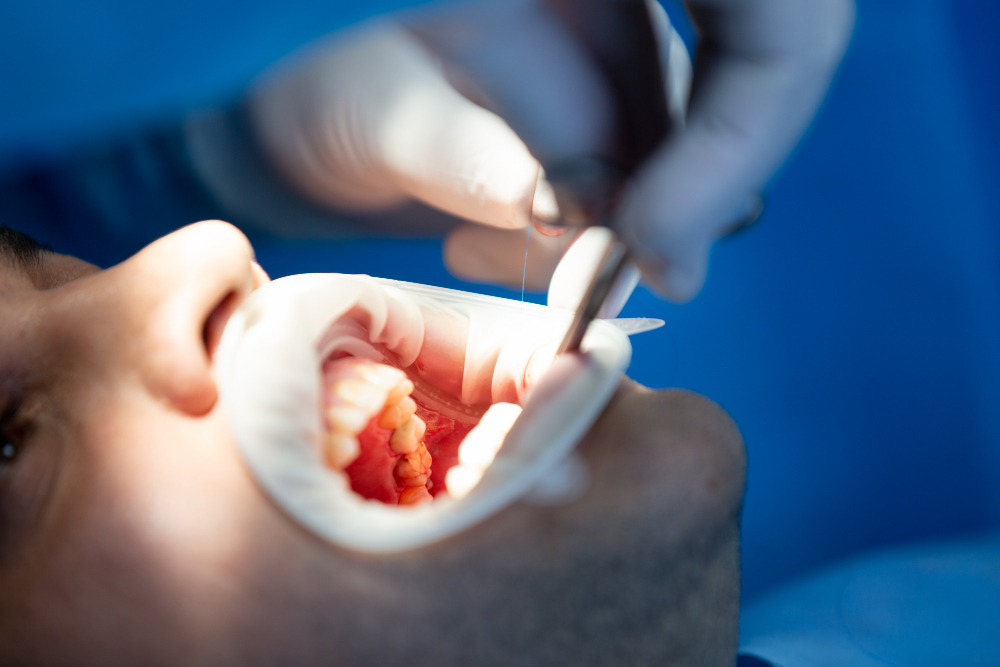
As the enamel weakens, the decay moves deeper into the tooth structure. What could have been fixed with a simple filling may eventually require more invasive treatments like root canals or even extraction.
Why Ignoring a Cavity Is Risky
Many people delay treatment because there’s no immediate pain. Unfortunately, that delay comes with serious untreated cavity risks. Over time, you may experience:
- Increasing sensitivity to hot, cold, or sweet foods
- Sharp or constant tooth pain
- Visible damage such as holes or discoloration
- Bacterial buildup causing unpleasant breath
The longer the cavity is ignored, the more damage it causes—and the more complicated the treatment becomes.
When Decay Turns Into Infection
If the decay reaches the inner pulp of the tooth, it can lead to a severe dental infection. At this point, bacteria have access to nerves and blood vessels, which can result in intense pain, swelling, and even fever.
An untreated infection can form an abscess, a pocket of pus that may spread to surrounding tissues. In rare but serious cases, this infection can travel to other areas of the body, posing significant health risks.
The Bigger Picture: Oral Health Consequences
Leaving a cavity untreated doesn’t just affect one tooth. The broader oral health consequences can impact your daily life in ways you might not expect. These include:
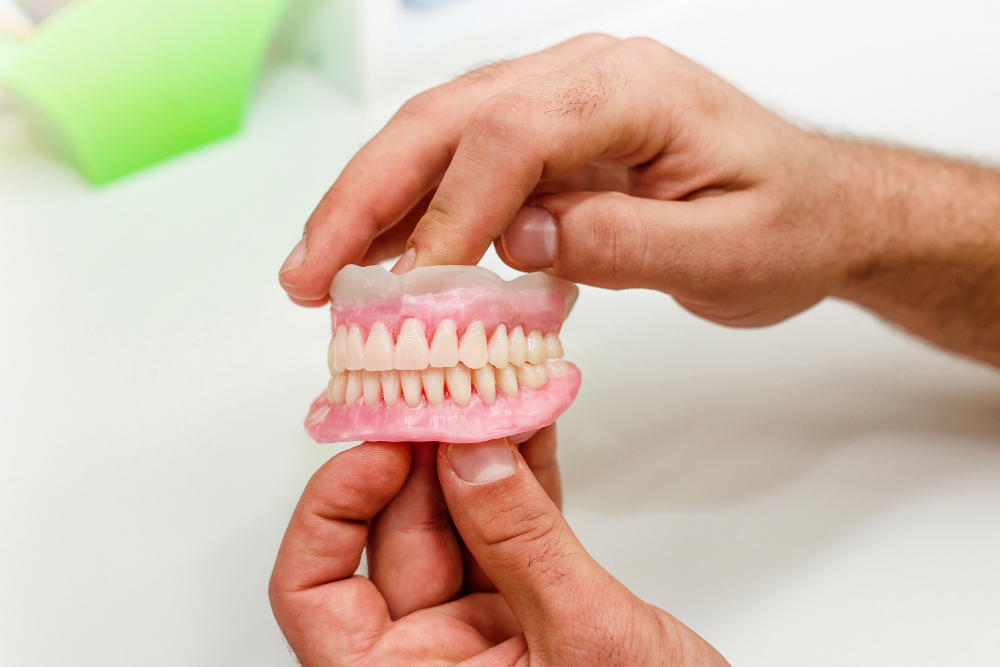
- Losing a tooth and needing replacement options
- Difficulty eating certain foods
- Shifts in tooth alignment over time
- Increased risk of gum disease
Beyond that, poor oral health can influence your overall health, potentially contributing to chronic conditions if infections spread.
Prevention Is Always Easier
The good news is that cavities are highly treatable—especially when caught early. Routine dental visits, proper brushing and flossing, and limiting sugary foods can all help prevent decay from progressing.